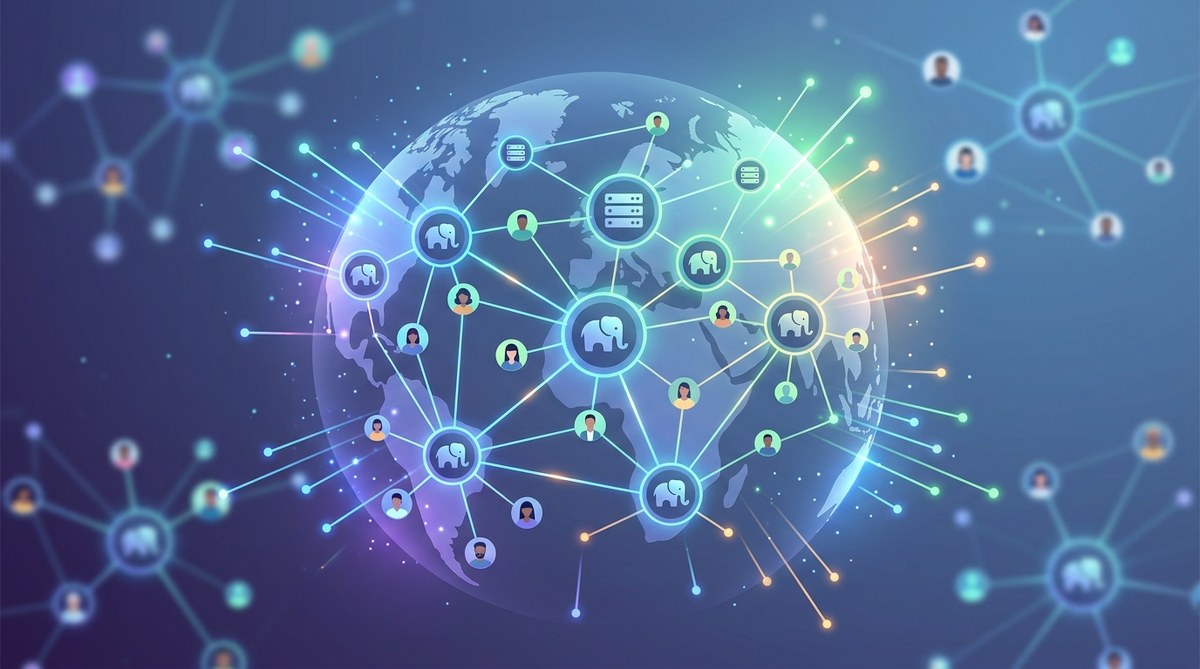
Algorithms decide what you see. One company owns your feed. Your data gets sold to the highest bidder. Sound familiar? That is the reality of centralized social media. But a growing number of people are choosing a different path. Federated timelines offer a way to connect without handing over control. Instead of one giant platform, you get thousands of independent communities that talk to each other. You pick a server. You follow anyone on any server. No algorithm plays puppet master. In 2026, this model is not just an alternative. It is becoming the standard for people who value ownership, privacy, and authentic connection.
Federated timelines are the backbone of a new social web. Instead of one company controlling your feed, you choose a community (instance) that connects to others. No algorithm decides what you see. Your data stays on servers you trust. This shift puts users first. The future of social media is decentralized, and 2026 is the year to join the movement.
What Are Federated Timelines and Why Do They Matter?
Federated timelines work like email. You can have a Gmail account and send messages to someone on ProtonMail. No single company owns email. The same idea applies to social networks like Mastodon, Pixelfed, and PeerTube. Each runs its own server (called an instance), but users on different instances can follow and interact with each other. You see a timeline of posts from everyone you follow, regardless of where they host their account.
This matters because it breaks the monopoly on attention. No corporate algorithm decides which posts get shown or hidden. No single CEO can flip a switch and change your experience overnight. You own your feed. You control your community.
For a deeper look at how this works in practice, check out our guide on why Mastodon’s algorithm-free timeline is a game changer for social networking.
Why Centralized Platforms Are Failing Users
The old model is cracking. Here is what keeps going wrong:
- Algorithmic manipulation – Platforms optimize for engagement, not for your well being. You see anger, shock, and outrage because those keep you scrolling.
- Data harvesting – Your likes, shares, and private messages are mined for ad targeting. You are the product.
- Censorship risk – A single company can deplatform anyone without real oversight. Communities vanish overnight.
- Loss of community – Big platforms push viral content from strangers while burying posts from friends.
- No ownership – Your followers, your posts, even your username are rented, not owned.
Federated timelines fix each of these problems by design.
The 3 Key Advantages of Federated Timelines
Here is why the federated model wins in 2026.
-
Real user choice. You can run your own server, join a small community, or pick a large instance like mastodon.social. Each server has its own rules and moderators. If you disagree with the leadership, you can move your account to another instance without losing your followers. This portability is built into the protocol. For step by step instructions, read how to migrate your Twitter followers to Mastodon without losing anyone.
-
Algorithms that serve you. Federated apps often show posts in reverse chronological order. You choose how to filter. You can pin lists, use hashtags, or follow specific accounts. No black box decides your feed. Some clients even let you use algorithmic sorting if you want, but you control the knob. That freedom is a feature.
-
Privacy by architecture. Your data lives on a server you trust. If the instance goes down, you can export your data and move. There is no central database for hackers to target. For a detailed breakdown of privacy protections, see is Mastodon secure enough for your privacy needs in 2026.
How to Get Started with Federated Social Media
Ready to leave the walled gardens? Here is a simple process.
- Pick an instance. Choose a server that matches your interests. Most instances list their rules and community guidelines. Look for one with active moderators. A good starting point is joinmastodon.org.
- Create your account. Sign up with an email and username. Your handle will look like @[email protected].
- Set up your profile. Add a bio, avatar, and header. Fill in your interests so people can find you.
- Find people to follow. Search for hashtags like #introduction or #photography. Browse the federated timeline to discover posts from other servers.
- Install a client app. Use a mobile app like Mammoth (for iOS) or Tusky (for Android). They make posting and reading easier.
- Use lists and filters. Organize your feed by topic. Mute or block accounts that break the peace.
For a complete walkthrough, read Mastering Mastodon: a complete guide to getting started with decentralized social media.
Common Misconceptions vs Reality
| Misconception | Reality |
|---|---|
| Federated networks are too complicated | Signing up takes about two minutes. You do not need to run a server. |
| You cannot find your friends | Many tools let you search for people by username or domain. |
| It is only for tech nerds | Communities exist for artists, gamers, writers, and hobbyists. Anyone can join. |
| There is no content moderation | Each instance has its own moderators and code of conduct. You can block entire servers. |
| The fediverse is dead or dying | User numbers grew steadily through 2025 and into 2026. New apps like Bluesky are also federating. |
Expert Advice: What the Community Says
“The best part of federated social media is that you can build a space that reflects your values. You are not forced into a one size fits all experience. That is why people stay.”
* – Jenna K., admin of a Mastodon instance for writers*
That sentiment echoes across communities. When you pick an instance, you are choosing a community. You are not just a user. You are a member.
For more perspectives from power users, see 5 hidden features in Mastodon that power users love.
The Future of the Fediverse in 2026
Federated timelines are not a niche experiment anymore. Major platforms are adopting the model. Threads (by Meta) now supports ActivityPub, meaning you can follow Threads users from Mastodon. Bluesky uses its own protocol but shares the same federated philosophy. More and more services are bridging together.
We are moving toward a web where your social graph is portable. You can use different apps for different purposes while keeping the same identity. Imagine posting a photo on Pixelfed, joining a conversation on Mastodon, and watching a video on PeerTube all with one account. That is the direction we are heading.
If you are a developer, you can build tools that integrate across protocols. Check out how to leverage Mastodon’s API for custom integrations to start building.
Build Your Own Timeline Today
Federated timelines put you back in charge. You decide who you follow. You decide what you see. You decide where your data lives. The technology works. The community is growing. The only question is whether you want to keep renting your social life or start owning it.
Join an instance. Introduce yourself. Follow people who inspire you. In 2026, that simple act is a vote for a better internet. For comparison between the two biggest federated platforms, read Mastodon vs Bluesky: which decentralized platform wins in 2026. And if you are curious about other tools transforming the space, browse top tools and apps transforming the decentralized social media landscape in 2026.
Go ahead. Take control. Your timeline awaits.