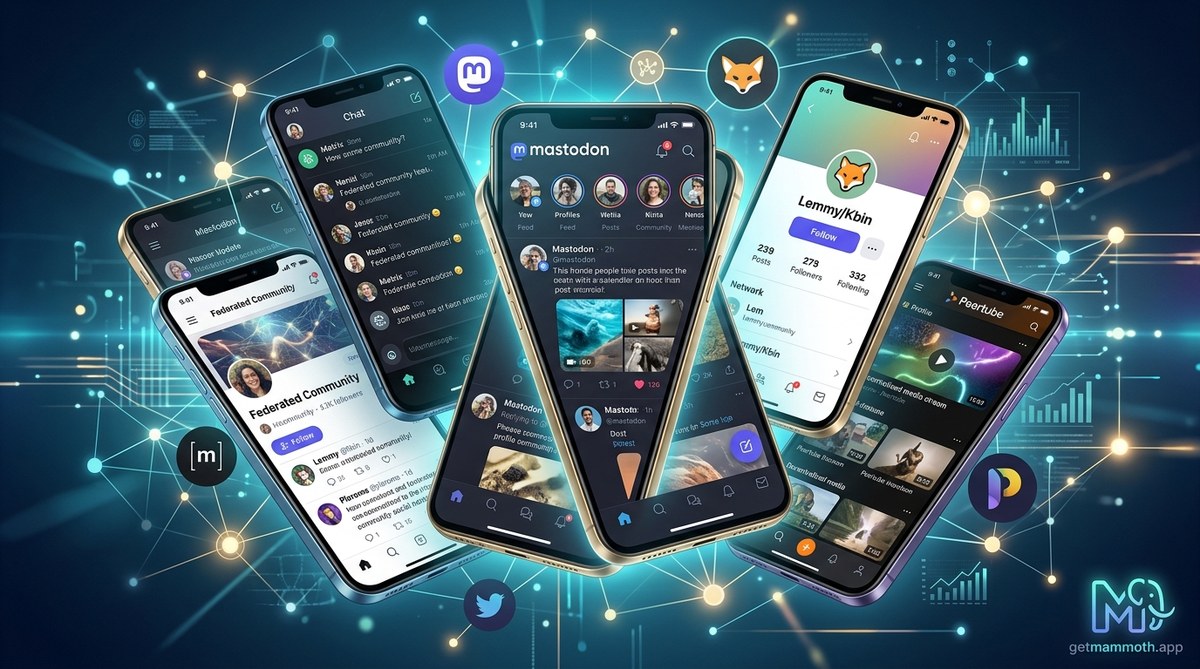
Navigating the decentralized social web can feel like venturing into uncharted territory. Unlike traditional social media platforms, decentralized networks prioritize user ownership, transparency, and censorship resistance. For digital explorers and blockchain enthusiasts, understanding and utilizing the right apps makes the journey smoother. Whether you’re new to Web3 social platforms or an experienced user looking to expand your toolkit, knowing which apps to rely on is key to thriving in this evolving landscape.
Decentralized social web navigation depends on a curated selection of apps, including social protocols, client interfaces, and content management tools. Mastering these helps users regain control, enhance engagement, and participate seamlessly in Web3 social platforms.
Understanding the core of decentralized social apps
The decentralized social web is built on protocols and platforms that break away from centralized control. Instead of relying on a single company or entity, these networks distribute data and governance across communities. To participate effectively, users need a set of essential apps that facilitate interaction, content creation, and network management.
These apps can be categorized into three main types:
- Protocols and infrastructure that form the backbone of decentralization
- Client applications that allow you to access and manage your social presence
- Content and community management tools for seamless engagement
Let’s explore the most important apps and tools that shape your journey through the decentralized social web.
1. Protocols shaping the decentralized landscape
Protocols are the foundation of Web3 social platforms. They define how data flows, how identities are managed, and how content is interconnected.
Key protocols to know
- Lens Protocol: A user-owned social graph that enables content sharing across multiple applications while maintaining control over your data. It powers various decentralized social apps and is gaining popularity for its open architecture.
- AT Protocol: Developed by Bluesky, this protocol aims to create open, permissionless social networks that prioritize user control and interoperability.
- ActivityPub: The W3C standard used by Mastodon and other federated networks, allowing different servers to communicate seamlessly.
Understanding these protocols helps you grasp how different applications interconnect and how to leverage them for a smooth social experience.
2. Essential client apps for decentralized social media
Client apps serve as the gateways to decentralized platforms. They provide user interfaces that make participating in the Web3 social web intuitive.
Top client applications
- Mastodon: An open-source federated microblogging platform. Its numerous clients like Ivory and Tusks make navigating Mastodon straightforward. You can join various instances and customize your experience.
- Bluesky: A protocol-backed social network with apps like Skywalker and Skeets, designed for a decentralized Twitter alternative.
- Lens App: Several third-party apps like Lenster or Lenstube enable content creation and sharing within the Lens ecosystem.
These clients simplify access to complex protocols, ensuring you can post, follow, and engage without hassle.
3. Content management and engagement tools
Managing your content and interactions across multiple platforms can be complex. Dedicated tools help streamline this process.
Notable tools include
- Pillar: A Web3 social wallet that consolidates your identities and content across platforms.
- Readwise: For curating and managing content from decentralized sources.
- Cross-posting apps: Like Croissant, which allow you to publish your content across different decentralized networks simultaneously.
Using these tools helps you maintain a consistent presence and manage your digital footprint effectively.
4. How to get started in the decentralized social web
Building your presence involves a few practical steps. Here’s a simple process:
- Identify your preferred protocols: Choose between Lens, ActivityPub (Mastodon), or AT Protocol based on your interests.
- Select client apps: Download user-friendly interfaces like Ivory for Mastodon or Skeets for Bluesky.
- Create your digital identity: Set up your profile, connect your wallets, and import existing content if possible.
- Engage and share: Post updates, follow others, and participate in community discussions.
- Utilize management tools: Use apps like Pillar or cross-posting apps to streamline your activity.
Following this process ensures a smooth transition into decentralized social platforms.
Techniques for effective navigation and common mistakes to avoid
| Technique | Mistake to Avoid |
|---|---|
| Use multiple client apps to find what fits best | Relying solely on one app that may limit functionality |
| Engage with communities across different protocols | Ignoring the importance of identity management tools |
| Keep your wallet and keys secure | Sharing private keys or recovery phrases carelessly |
| Regularly update your apps | Using outdated versions that may lack security patches or features |
Expert tip: “Take time to familiarize yourself with the protocols behind your favorite apps. Understanding how they work empowers you to troubleshoot issues and maximize your experience.” — Digital web strategist
Practical steps to master decentralized social apps
- Start small: Pick one protocol and its main client app to learn the ecosystem.
- Experiment with content: Post, comment, and follow diverse communities.
- Secure your identity: Use wallets and identity tools to maintain control.
- Join multiple networks: Expand your presence across different platforms for broader engagement.
- Stay informed: Follow updates on protocols and new apps via community channels and guides.
The future of decentralized social navigation
As Web3 social platforms mature, the app ecosystem will grow richer and more interconnected. Interoperability between protocols will increase, making cross-platform experiences seamless. New apps will emerge, focusing on enhanced privacy, richer media sharing, and community governance.
Staying adaptable and continuously exploring new tools will keep you at the forefront of this decentralized wave.
Final thoughts on mastering the decentralized social web
Navigating this landscape requires curiosity and a willingness to experiment. The right apps can transform a complex web of protocols into a personalized, empowering social experience. By understanding the core tools and strategies, you build a resilient digital identity rooted in ownership and control.
Start small, stay curious, and leverage the growing ecosystem of apps designed for Web3 social networking. Your participation helps shape the future of open, community-driven social platforms.
Building your decentralized social toolkit
Getting comfortable with essential apps is the first step toward mastering the decentralized social web. As the ecosystem evolves, so will your opportunities for meaningful engagement and content ownership. Experiment with different apps, stay updated on protocol developments, and connect with communities that share your interests. This proactive approach ensures you remain an active participant in shaping the future of social media.
Feel free to revisit your favorite apps regularly. As new tools emerge, they can open up even more possibilities for authentic, censorship-resistant social experiences.