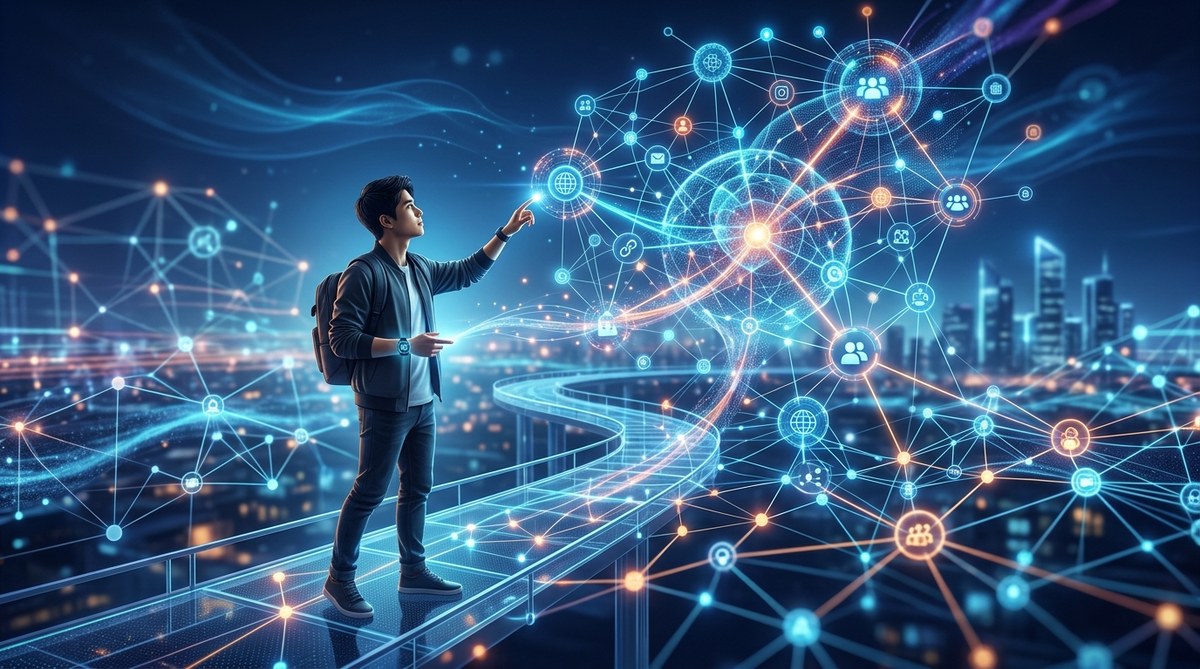
Decentralized social media is rapidly gaining momentum as a promising alternative to traditional platforms. It promises a future where users regain control over their data, content, and online identity. As blockchain and Web3 technologies mature, new kinds of social platforms are emerging that challenge centralized models dominated by a few giants. This shift could redefine how we share, connect, and build communities online.
The future of decentralized web social media is centered on giving users more ownership and control. It combines blockchain, privacy, and community governance to create platforms that are more transparent, resilient, and user-focused. As this movement grows, it could significantly alter the landscape of online interaction and content sharing.
How Decentralization Could Reshape Social Media
The idea of decentralizing social platforms is rooted in shifting power from a handful of corporate entities to individual users and communities. Unlike traditional social media where centralized servers control data and moderation, decentralized platforms distribute control across a network of nodes. This offers increased privacy, censorship resistance, and the potential for more genuine interactions.
In the future, decentralized social media may become the norm rather than an exception. As blockchain technology becomes more accessible and scalable, users will have tools to create, monetize, and govern their online spaces without relying on a third-party company. This transition might take time but is already underway through various projects and protocols.
Key Technologies Driving the Future
Blockchain and Distributed Ledgers
Blockchain forms the backbone of many decentralized social platforms. It records content, transactions, and governance actions transparently and immutably. This means users can verify ownership of their content and participate in decision-making processes through mechanisms like voting or DAOs (Decentralized Autonomous Organizations).
Web3 and User Sovereignty
Web3 aims to give users sovereignty over their digital identity and assets. Instead of relying on platform-specific accounts, users manage their identity through cryptographic keys. This enables seamless porting of profiles, content, and followers across different platforms, reducing lock-in and censorship.
Peer-to-Peer Networks
Decentralized social media often uses peer-to-peer networks to distribute data across nodes. This reduces reliance on centralized servers and makes platforms more resilient to outages or censorship. Users become both consumers and providers of content, creating a more democratic ecosystem.
Practical Steps Toward Decentralized Social Media Adoption
- Educate yourself about blockchain basics and how decentralized platforms operate. Understanding these fundamentals builds confidence in navigating new platforms.
- Experiment with existing decentralized platforms like Mastodon, Diaspora, or newer Web3 social apps. Try creating profiles, sharing content, and engaging with communities.
- Support projects and protocols that prioritize decentralization. This might include participating in governance, staking tokens, or providing feedback to developers.
Challenges on the Road to Decentralization
While the potential is vast, several hurdles remain:
- User experience can be complex and less intuitive compared to mainstream social media.
- Scalability issues may limit performance during high traffic periods.
- Regulatory uncertainty could impact the growth and acceptance of decentralized platforms.
- Content moderation remains a tricky issue, balancing free speech and harmful content.
Techniques and Common Mistakes in Building Decentralized Social Media
| Technique | Mistake |
|---|---|
| Using blockchain for content ownership | Overloading blockchain with large media files |
| Implementing community governance | Lack of clear rules leading to disputes |
| Employing peer-to-peer data sharing | Poor network performance or data inconsistency |
| Creating user-friendly interfaces | Ignoring usability can deter adoption |
As blockchain expert Alex Johnson notes, “Decentralization is not just about technology. It’s about empowering users to take control over their online lives while maintaining a seamless experience.”
The Role of Community and Governance
Community-driven governance is essential for the future of decentralized social media. Platforms are increasingly adopting DAOs to allow users to vote on platform features, moderation policies, and development priorities. This approach fosters a sense of ownership and aligns platform evolution with user interests.
How DAOs Enable Community Control
- Users hold voting power proportional to their stake or participation.
- Decisions are transparent and recorded on-chain.
- Disputes are resolved democratically, reducing censorship concerns.
Examples of DAO-Driven Social Platforms
Some projects like Lens Protocol are enabling creators to own their content and followers, making social interactions more sustainable and rewarding.
What Future Trends Are Shaping the Decentralized Web
- Interoperability will become vital, allowing users to move seamlessly between different platforms.
- Tokenization will enable new monetization models for creators and communities.
- Privacy-first design will address concerns about data misuse and surveillance.
- AI integration might enhance content moderation, personalized feeds, and community engagement.
A New Era of Digital Identity and Freedom
Decentralized social media is intertwined with the broader movement toward digital sovereignty. Users will have more control over their online identities, data, and reputation. This shift could lead to safer, more authentic online interactions free from censorship and data exploitation.
How To Get Started Today
- Research new decentralized platforms that align with your interests and values.
- Create a digital wallet compatible with blockchain-based social apps.
- Join communities that focus on decentralization and Web3 development to stay informed and engaged.
Embedding Decentralization into Your Digital Life
The path to a decentralized web social future involves both understanding the principles and actively participating. Whether you are a creator, researcher, or enthusiast, supporting open protocols and testing new platforms helps accelerate this transition. Over time, decentralized social media could become the standard, offering a more democratic and resilient online environment.
Building a Community in the Decentralized Era
As decentralization grows, fostering resilient, engaged communities will be key. Platforms that balance user control with effective moderation and usability will thrive. By staying informed and involved, you can help shape the future of social media into a space that respects privacy, promotes free expression, and empowers every user.
Your Role in Shaping Tomorrow’s Online Communities
The future of decentralized web social media depends on active participation from users like you. Learning about new platforms, supporting open standards, and advocating for user rights can make a real difference. The decentralized web promises a more open, fair, and user-centric online world.
Final Thoughts
Decentralization is not just a technical change but a cultural shift. It offers a chance to rebuild trust, ownership, and authenticity in online interactions. As blockchain and Web3 continue to evolve, so will the platforms that empower users. Embrace the movement, experiment with emerging tools, and contribute to creating a digital future where everyone has a voice.
Join the decentralized conversation today
By engaging with these new platforms and ideas, you become part of a community working toward a more open and equitable web. The future of decentralized web social media is bright, and your participation can help shape its growth. Take small steps now and be ready for a more autonomous digital experience tomorrow.